


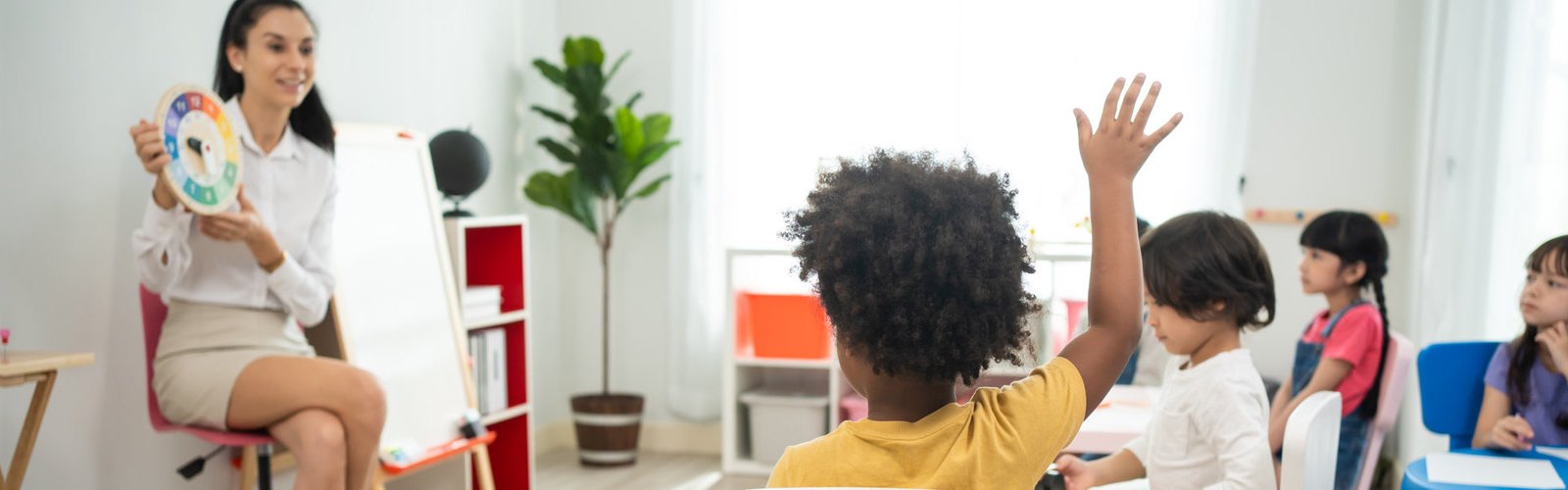
Life skills are a key part of our program, helping children develop independence and confidence. Daily routines are designed to teach children how to take care of themselves, interact with others, and manage their responsibilities. Through consistent structure and guided practice, children begin to understand how everyday actions connect to personal growth and independence. This approach supports life skills development in Queens Village, New York, by focusing on real-world habits children carry into school and beyond.
Children are supported in building self-help skills, emotional awareness, and social understanding in ways that feel natural and age-appropriate. These experiences are woven into the day rather than taught in isolation, making learning practical, meaningful, and lasting.
What Life Skills Development Is & Why It Matters
Life skills are the foundation of confidence, responsibility, and independence. These skills help children navigate daily tasks, social interactions, and early decision-making. When children learn how to manage small responsibilities early, they gain a stronger sense of control and self-belief.
At Sandras Great Achievers, life skills are introduced through daily routines that encourage problem-solving, patience, cooperation, and follow-through. Children learn not only what to do, but why it matters—helping them understand consequences, relationships, and personal accountability.
These skills prepare children for school expectations, social environments, and future independence while reducing frustration and anxiety around transitions.
How We Support Life Skills Growth
Our approach emphasizes consistency, encouragement, and guided independence. Teachers create supportive environments where children feel safe trying new tasks and learning from mistakes.
Children practice daily habits that promote independence, social understanding, and responsibility through real-life scenarios, supported by calm instruction and positive reinforcement.
Children practice:
- Sharing independence and routines
Teachers provide guidance, modeling, and positive reinforcement to help children succeed. Children learn problem-solving, decision-making, and organizational skills through hands-on experiences. Families are encouraged to support life skill development at home, reinforcing consistency and growth. Our goal is for children to leave our program prepared for school and life with confidence and self-sufficiency.
Who Can Benefit from Life Skills Support
Life skills development benefits children at many stages of early growth, especially those learning to manage transitions, routines, or social settings. This service is ideal for children who:
- Are building independence and self-confidence
- Need support with routines and responsibility
- Benefit from structured guidance and repetition
- Are preparing for school expectations
- Thrive in hands-on, supportive environments
By meeting children where they are, life skills development supports growth without pressure, helping each child progress at a comfortable and confident pace.
Preparing Children for School and Life
By strengthening everyday skills—organization, cooperation, emotional regulation, and independence—children develop the tools they need to succeed inside and outside the classroom.
Life skills development encourages long-term growth by building habits that support learning, relationships, and self-care. These foundational experiences make transitions smoother and help children feel capable as new expectations arise.
Frequently Asked Questions
What are life skills in early childhood development?
Why are life skills important before starting school?
How do daily routines support life skill development?
What role does guidance play in learning life skills?
How does life skills development support independence?
Can families support life skills development at home?
How does life skills development support emotional growth in children?
Prepare Your Child for Lifelong Success
At Sandras Great Achievers, children build confidence, independence, and school readiness. Connect with us today to enroll!